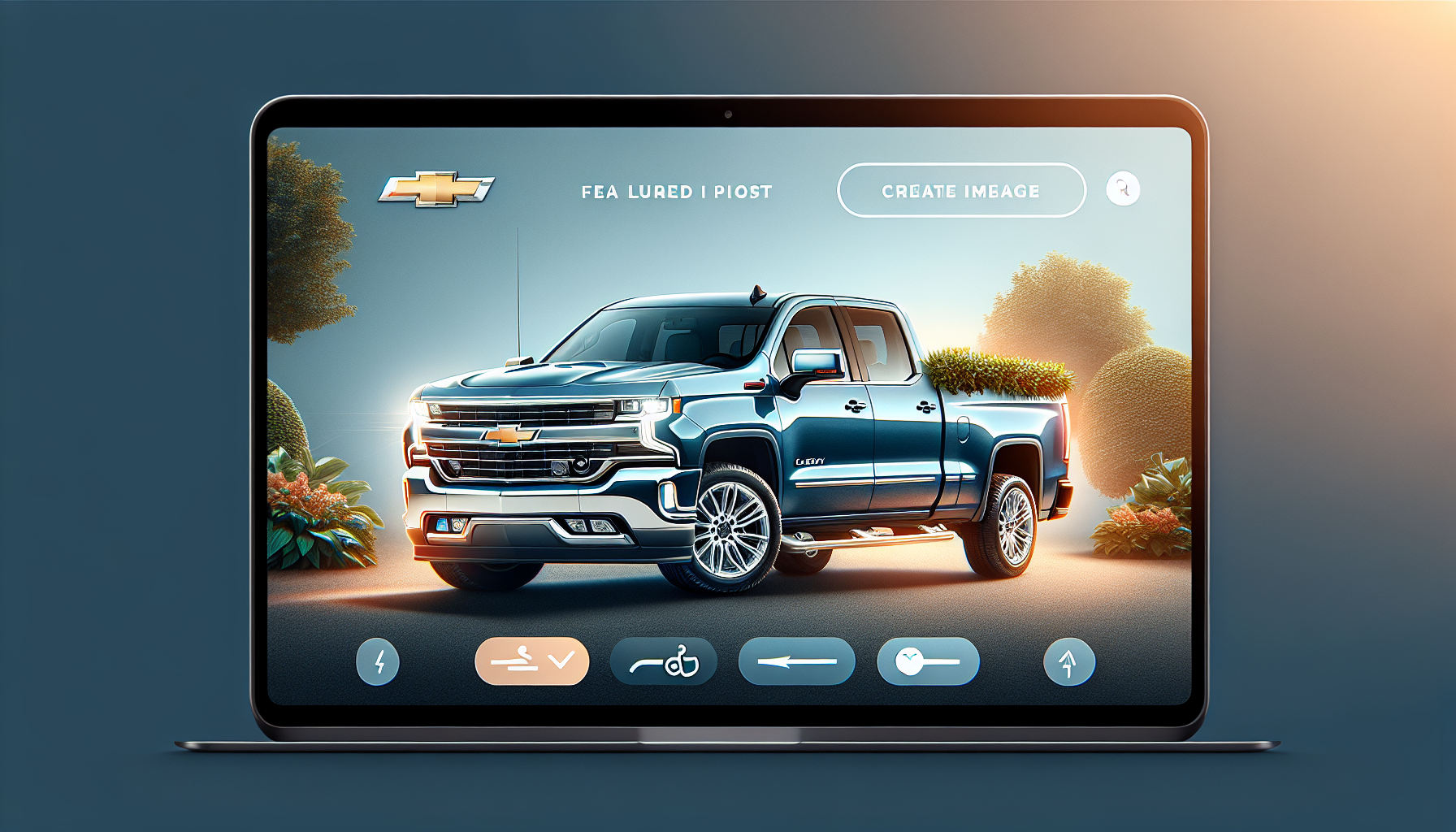
Are you finding it increasingly difficult to climb into your vehicle, yet unwilling to sacrifice the towing capacity, cargo space, and safety of a pickup? Maintaining your personal independence and hobby-driven lifestyle doesn't mean you have to give up your keys. Finding the right senior-friendly Chevy Trucks can bridge the gap between rugged capability and everyday physical comfort.
1. Understanding Senior-Friendly Chevy Trucks
To choose the best truck for your needs, you must first understand how modern automotive engineering has evolved to accommodate aging physiology. Historically, pickup trucks were utilitarian, stiffly sprung workhorses designed with bare-bones cabins, high entry steps, and manual controls. Today, the landscape is entirely different. Pickup trucks have transitioned into luxury-adjacent cruisers that offer advanced ergonomics, active driver assistance, and customizable ride heights.
When exploring senior-friendly Chevy Trucks, several technical design mechanisms come into play:
Ingress and Egress (Entry and Exit): This refers to the physical motion of getting into and out of the vehicle cabin. In trucks, this is governed by step-in height and the presence of assist handles.
The H-Point (Hip Point): This is the theoretical relative location of an occupant's hip joint when seated in the cabin. A higher H-point is highly beneficial for seniors because it eliminates the need to bend down or squat into a low-slung sedan seat.
Ride Quality and Dampening: Modern suspension systems utilize adaptive shock absorbers to smooth out road imperfections, reducing the physical vibration transferred to the driver’s spine.
Cabin Command Ergonomics: This involves the spacing, visibility, and reach of interior controls, ensuring that adjusting the climate control or navigation screen does not require straining or losing sight of the road.
By choosing a model that optimizes these engineering features, older drivers can enjoy the safety and capability of a truck without putting unnecessary strain on their joints, muscles, or backs.
2. The Importance of Vehicle Ergonomics for Aging Drivers
Selecting a vehicle that respects your physical limits is not merely a matter of comfort; it is a vital safeguard for your musculoskeletal health and long-term driving safety. As the human body matures, joint flexibility, bone density, and muscle mass naturally decline, making everyday movements more challenging.
The clinical benefits of driving an ergonomically sound vehicle are profound. According to a 2023 report from Healthline, over 50% of adults aged 65 and older experience some form of osteoarthritis, which can make repetitive, high-impact joint movements—such as climbing into an elevated cab or twisting to check blind spots—physically painful or even restricted.
A well-designed truck cabin preserves joint health by offering multi-way power-adjustable seats with lumbar support, heated cushions to relax stiff muscles, and telescoping steering columns that adjust to the driver’s reach. By minimizing the physical effort required to steer, brake, and maintain visibility, these features reduce fatigue, keep reaction times sharp, and ensure that older drivers remain safe and confident on long road trips or daily errands.
Source:
Mayo Clinic – Managing Osteoarthritis Symptoms and Joint Health
NHTSA – Vehicle Features for Older Drivers and Safety Guidelines
3. Common Problems & Challenges Seniors Face with Pickups
Despite the clear benefits of driving a truck—such as superior visibility over traffic and robust crash protection—standard pickups present several physical hurdles for older adults.
The "Step-In" Climb and Fall Risks
The most significant barrier to entry is ground clearance. Traditional four-wheel-drive trucks are designed to traverse rough terrain, resulting in high cab floors. Vaulting into a cabin without adequate steps forces the knees and hips to bend at extreme angles, significantly increasing the risk of slips, muscle pulls, or devastating falls on wet or icy surfaces.
Rigid Suspension and Back Pain
Pickups are engineered to haul heavy payloads and tow trailers, which requires stiff rear leaf springs. When the cargo bed is empty, this rigid suspension can translate every bump, pothole, and expansion joint directly into the driver’s seat. For seniors managing degenerative disc disease, spinal stenosis, or osteoporosis, this constant vibration and jolting can cause severe lower back pain and fatigue.
Heavy Tailgates and Cargo Bed Access
Reaching into a truck bed to retrieve groceries, tools, or luggage can be highly demanding. Traditional tailgates are heavy, steel-and-aluminum gates that can drop suddenly if not dampened, posing a risk of wrist or shoulder strain. Additionally, climbing into the bed itself to secure cargo requires balance and strength that many older adults find difficult to sustain.
Blind Spots and Maneuverability
Modern full-size pickups have massive footprints, with high hood lines and long beds that create extensive blind spots immediately in front of, beside, and behind the vehicle. Seniors with limited neck rotation can find backing into tight parking spots or merging onto busy highways incredibly stressful without technological assistance.
We understand how incredibly frustrating it is to feel like the vehicles you have driven and loved your entire life are becoming too physically demanding to manage. It is natural to feel anxious about losing your mobility or having to transition to a small hatchback. Fortunately, by choosing the right configurations and implementing smart adaptations, you can keep driving a truck safely and comfortably.
4. Practical Solutions, Trim Levels, and Modification Strategies
To overcome these challenges, older drivers should adopt a strategic approach when shopping for Chevy Trucks. Chevrolet offers several distinct models, trim levels, and technology suites designed to enhance accessibility and eliminate physical strain.
Choosing the Right Model: Colorado vs. Silverado 1500
When looking for a senior-friendly option, your first decision should be sizing:
The Chevy Colorado (Midsize): For many seniors, the midsize Colorado is the perfect compromise. It sits lower to the ground than its full-size siblings, making ingress and egress significantly easier. Its narrower body and tighter turning radius make it a breeze to park in busy supermarket lots, while still offering up to $7,700 \text{ lbs}$ of towing capacity.
The Chevy Silverado 1500 (Full-Size): If you require a larger cabin for family road trips or need to tow a heavy travel trailer, the Silverado 1500 is the standard. However, to make it senior-friendly, you must select the correct trim level. Avoid off-road specialty trims like the Z71, Trail Boss, or ZR2 because they feature factory lift kits and rugged, stiff suspensions that raise the step-in height. Instead, prioritize the LTZ or High Country trims, which feature premium, road-focused suspensions and highly adjustable leather seating.
Essential Modifications: Power Steps and Dampening
If a truck’s stock step-in height is still too high, you can dramatically improve access with targeted modifications. A helpful way to visualize the reduction in step-in height is through this simple mathematical model:
$$\text{Effective Step-In Height} = \text{Ground Clearance} - \text{Running Board Drop}$$
By installing Power-Retractable Assist Steps, you maximize this drop. Unlike fixed running boards that sit close to the cab floor to maintain off-road clearance, power steps automatically pivot outward and downward when any door is opened, lowering the initial step by up to 6 inches before tucking neatly out of sight when the doors close.
                    Retractable Power Step Height Reduction

Default Floor ┌──────────────────┐ (~22 inches)
              │                  │
Fixed Step    ├──────────────────┤ (~16 inches)
              │                  │
Power Step    └──────────────────┘ (~10 inches - highly accessible)
Other essential senior-friendly modifications include:
EZ Lift and Lower Tailgate: Ensure your truck is equipped with this gas-strut assisted tailgate, which prevents the gate from dropping quickly and allows you to close it with the light upward push of a single hand.
CornerStep Rear Bumper: This built-in step on the corners of the rear bumper provides a safe, textured footing to reach into the cargo bed without having to vault over the tailgate.
Steering Wheel Spinner Knobs: For seniors with severe arthritis or limited hand strength, a high-quality steering wheel knob allows for smooth, one-handed wheel control during tight maneuvers.
Utilizing Driver Assistance Systems
Modern active safety technologies dramatically reduce cognitive load and compensate for slower physical reaction times or restricted neck movement. When searching for Chevy Trucks, look for models equipped with the Chevy Safety Assist suite:
Lane Keep Assist with Lane Departure Warning: Gently steers the truck back into the lane if you begin to drift.
Forward Collision Alert & Automatic Emergency Braking: Scans the road ahead and automatically applies the brakes if a collision is imminent.
HD Surround Vision: Uses multiple cameras to create a virtual overhead 360-degree view of your truck, making parking simple and eliminating blind spots.
Super Cruise: GM's hands-free driver assistance technology. Available on premium Silverado trims, it manages steering, braking, and lane changes on compatible highways, significantly reducing physical fatigue during long drives.
A recent study published by the Journal of Medical Systems recommends that older adults utilize advanced driver-assistance systems (ADAS) and customized vehicle ergonomics to significantly reduce cognitive load and physical driving fatigue, ultimately extending their safe driving years.
Reference:
5. Cost, Trims, and Accessibility Programs Comparison
Navigating the financial options requires comparing different model parameters alongside available manufacturer rebates. The table below outlines the primary senior-friendly Chevrolet truck configurations for 2026:
Chevy Truck Accessibility Matrix
Model | Recommended Senior Trim | Estimated Starting MSRP | Step-In Height (Approx.) | Key Accessibility Pros & Cons |
|---|---|---|---|---|
Chevy Colorado | LT (with Convenience Package) | $33,000 – $36,000 | 18 inches | Pros: Lower ride height; easy to park; affordable. Cons: Less interior legroom than full-size models. |
Chevy Silverado 1500 | LTZ (with Adaptive Ride Control) | $58,000 – $62,000 | 22 inches | Pros: Spacious cabin; 10-way power seats; quiet ride. Cons: High step-in height; requires running boards. |
Chevy Silverado HD (2500) | High Country | $72,000 – $76,000 | 25 inches | Pros: Extreme towing power; luxurious interior. Cons: Very stiff suspension; highly difficult ingress. |
The GM Mobility Program: Financial Support for Modifications
If you require modifications to make your vehicle accessible, do not pay for them entirely out of pocket. The GM Mobility Program is designed to help drivers with physical disabilities or limited mobility adapt their vehicles.
Under this program, eligible buyers can receive up to a $1,000 reimbursement toward the cost of installing adaptive equipment on new and unused Chevrolet vehicles. Covered modifications include:
Power-retractable assist steps
Wheelchair/scooter lifts and hoists
Hand controls and left-foot accelerators
Swivel seats and driver transfer platforms
Additionally, many insurance companies offer dedicated discounts for vehicles equipped with active safety suites like Chevy Safety Assist, and completing a certified mature driver defensive driving course (such as the AARP Smart Driver course) can secure a 5% to 15% discount on your monthly premium.
6. FAQs (Frequently Asked Questions)
Q1: What is the best Chevy truck model for seniors with limited mobility?
The midsize Chevy Colorado (LT trim) is generally the best choice for seniors with limited mobility. It offers a significantly lower factory step-in height than the full-size Silverado, making it much easier to enter and exit. Additionally, its smaller physical footprint and lighter steering weight make it highly maneuverable in dense urban environments while still offering robust utility.
Q2: How does the GM Mobility Program help pay for vehicle modifications?
The GM Mobility Program provides up to a $1,000 reimbursement to eligible customers who install adaptive equipment—such as power running boards, wheelchair lifts, or hand controls—on new Chevrolet vehicles. To qualify, you must submit an application form along with documentation of your physical need and receipts from a licensed installer within 12 months of purchasing your truck.
Q3: Should seniors avoid Chevy trucks with off-road suspension packages?
Yes, absolutely. Seniors looking for physical comfort should avoid off-road trims like the Z71, Trail Boss, or ZR2. These packages feature heavy-duty off-road shock absorbers, all-terrain tires, and suspension lifts that significantly increase the vehicle's step-in height and create a much stiffer, harsher ride quality on paved highways.
Q4: What safety features should I look for in a used Chevy truck?
When shopping for a pre-owned Chevy truck, prioritize models equipped with the Chevy Safety Assist suite. The most critical features for older drivers are Forward Collision Alert with Automatic Emergency Braking, Lane Keep Assist with Lane Departure Warning, and Side Blind Zone Alert, which actively monitors your blind spots to compensate for limited neck mobility.
Q5: Are there specific Chevrolet trims that offer the smoothest ride for bad backs?
Yes. The Silverado 1500 LTZ or High Country trims equipped with Adaptive Ride Control offer the smoothest ride for drivers with chronic back pain. This system monitors road conditions every millisecond and adjusts the suspension's dampening in real-time, absorbing potholes and highway expansion joints to prevent physical shock from transferring to the cabin.
7. Conclusion: Drive with Confidence
Maintaining your active lifestyle and enjoying the utility of a truck should not be compromised by physical discomfort or joint pain. Finding a senior-friendly option among the lineup of Chevy Trucks is a powerful way to preserve your independence, enjoy weekend road trips, and complete physical tasks safely.
By prioritizing midsize options like the Colorado, selecting luxury-oriented road trims like the Silverado LTZ, and leveraging the GM Mobility Program to install power assist steps, you can create an accessible sanctuary on wheels.
Take action today to secure your comfort: visit your local dealer, request a test drive of a model equipped with Adaptive Ride Control, and ask your salesperson about GM Mobility rebates to keep your hard-earned retirement dollars where they belong.
8. General Advice Disclaimer
The information provided in this article is general in nature and does not constitute formal medical, physical therapy, legal, financial, or professional automotive purchasing advice. Vehicle specifications, pricing, warranties, and feature availability vary significantly by geographic region and individual dealership contract terms. Always consult with a licensed medical professional or certified mobility specialist before installing adaptive vehicle controls or making major medical mobility decisions.
9. References
AARP. (2025). Mature Driver Safety and Smart Vehicle Technology Standards.
Chevrolet Motor Division. (2026). The GM Mobility Program and Adaptive Equipment Reimbursement Guidelines.
Healthline Media. (2023). Musculoskeletal Joint Health and Ergonomics in Transportation for Seniors.
Journal of Medical Systems. (2024). Advanced Driver Assistance Systems (ADAS) and Cognitive Load in Older Adult Populations.
National Highway Traffic Safety Administration (NHTSA). (2025). Older Drivers: Safety, Mobility, and Vehicle Design Recommendations.