As homeowners age, maintaining a safe and comfortable home can become increasingly challenging. Essential repairs such as roof replacement, plumbing upgrades, electrical improvements, accessibility modifications, and weatherproofing projects can be costly. For many retirees living on fixed incomes, these expenses may create financial stress.
Fortunately, numerous programs exist to help older adults maintain their homes. Searches for terms such as Senior Home Repair Assistance, Grants For Elderly Home Repairs, Home Improvement Grants For Seniors, Financial Aid For Senior Home Repairs, Government Grants For Seniors Home Maintenance, and Low-income Senior Home Repair Programs continue to grow as more seniors seek affordable solutions.
Understanding the various assistance programs available can help homeowners find resources that improve safety, accessibility, and quality of life.
Why Home Repairs Matter for Seniors
A well-maintained home is important for both safety and independence. Many older adults prefer to remain in their own homes as they age, a concept often referred to as aging in place.
However, aging homes may require repairs that become difficult or expensive to manage.
Common concerns include:
Roof leaks
Unsafe stairways
Faulty electrical systems
Plumbing problems
Heating and cooling issues
Accessibility barriers
Poor insulation
Damaged flooring
Addressing these issues can help reduce accidents, improve energy efficiency, and support long-term independence.
Understanding Senior Home Repair Assistance
Senior Home Repair Assistance programs are designed to help older homeowners address critical maintenance and repair needs.
These programs may provide:
Grants
Low-interest loans
Deferred payment loans
Emergency repair funding
Accessibility modification assistance
Weatherization support
The availability of assistance often depends on income, age, location, and the condition of the home.
Many programs prioritize health and safety repairs that allow seniors to remain in their homes safely.
Grants for Elderly Home Repairs
Many homeowners search for Grants For Elderly Home Repairs because grants typically do not require repayment.
Grant programs may help cover expenses related to:
Roof replacement
Window repairs
Electrical upgrades
Plumbing improvements
Accessibility renovations
Structural repairs
Grant eligibility requirements vary by program.
Factors often considered include:
Household income
Age of homeowner
Property ownership status
Primary residence requirements
Geographic location
Because funding may be limited, applicants are often encouraged to apply early.
Home Improvement Grants for Seniors
Home Improvement Grants For Seniors focus on improving living conditions and increasing safety within the home.
Examples of projects that may qualify include:
Accessibility Improvements
Accessibility modifications help seniors navigate their homes more safely.
Common upgrades include:
Wheelchair ramps
Grab bars
Walk-in showers
Stair lifts
Wider doorways
Energy Efficiency Upgrades
Improving energy efficiency can help reduce utility costs.
Projects may include:
Insulation upgrades
Window replacement
HVAC improvements
Weather sealing
Safety Repairs
Safety-related repairs may address hazards that increase the risk of injury.
Examples include:
Loose flooring
Damaged handrails
Electrical hazards
Structural issues
These improvements can help support independent living.
Financial Aid for Senior Home Repairs
Financial Aid For Senior Home Repairs may come from various sources beyond grants.
Potential assistance options include:
Low-Interest Loans
Some organizations offer affordable financing specifically for senior homeowners.
These loans may provide:
Lower interest rates
Flexible repayment terms
Extended repayment periods
Deferred Payment Programs
Certain programs allow repayment only when the property is sold or transferred.
Nonprofit Assistance
Community organizations sometimes provide financial support for critical repairs.
Financial aid programs help bridge the gap when grant funding is unavailable.
Government Grants for Seniors Home Maintenance
Many homeowners search for Government Grants For Seniors Home Maintenance when looking for reliable sources of assistance.
Government-supported programs often focus on:
Health and safety improvements
Accessibility modifications
Energy conservation projects
Emergency repairs
Federal, state, and local agencies may offer assistance programs designed to support older adults and low-income homeowners.
Eligibility requirements vary, but many programs prioritize individuals with limited financial resources.
Low-Income Senior Home Repair Programs
Low-income Senior Home Repair Programs are designed to assist homeowners who may struggle to afford necessary repairs.
These programs often focus on:
Essential health and safety improvements
Emergency repairs
Accessibility modifications
Weatherization services
Income limits typically apply.
Applicants may be required to provide documentation such as:
Proof of age
Income verification
Property ownership records
Residence information
These programs play an important role in helping vulnerable homeowners maintain safe living environments.
Common Repairs Covered by Assistance Programs
Although coverage varies, many programs support similar categories of repairs.
Roof Repairs and Replacement
Roof damage can lead to leaks, mold growth, and structural deterioration.
Repair assistance may help address:
Missing shingles
Water damage
Aging roofing materials
Plumbing Repairs
Plumbing problems can create health and safety concerns.
Covered projects may include:
Pipe replacement
Leak repairs
Water heater upgrades
Electrical Improvements
Outdated electrical systems can increase fire risks.
Programs may support:
Wiring upgrades
Circuit panel replacement
Safety inspections
Heating and Cooling Systems
Reliable heating and cooling are important for senior health and comfort.
Assistance may help with:
Furnace replacement
Air conditioning repairs
Energy-efficient upgrades
Accessibility Modifications for Aging in Place
One of the most important categories of senior home assistance involves accessibility improvements.
As mobility changes over time, modifications can make daily activities safer and easier.
Common improvements include:
Bathroom Modifications
Bathrooms are one of the most common locations for falls.
Safety upgrades may include:
Grab bars
Walk-in tubs
Non-slip flooring
Entryway Improvements
Safe access to the home is essential.
Projects may include:
Ramps
Handrails
Improved lighting
Interior Accessibility
Modifications inside the home may include:
Wider hallways
Lever-style door handles
Stair assistance systems
These improvements support independence and reduce injury risks.
Weatherization Assistance Programs
Weatherization programs help homeowners improve energy efficiency while reducing utility costs.
Services may include:
Insulation installation
Air sealing
Window improvements
Energy assessments
For seniors on fixed incomes, lower energy bills can provide meaningful financial relief.
Weatherization improvements may also improve indoor comfort throughout the year.
Emergency Home Repair Programs
Emergency repair programs address urgent situations that threaten health or safety.
Examples include:
Major plumbing failures
Electrical hazards
Structural damage
Heating system breakdowns
Because emergencies require immediate attention, these programs often prioritize rapid response and critical repairs.
How to Apply for Home Repair Assistance
The application process varies depending on the program.
Generally, applicants may need:
Proof of age
Proof of home ownership
Income documentation
Identification
Repair estimates
Some programs may also require home inspections to verify repair needs.
Gathering documentation before applying can help streamline the process.
Benefits of Home Repair Assistance Programs
Home repair assistance offers several important benefits.
Improved Safety
Repairs help reduce hazards and prevent accidents.
Increased Independence
Accessibility improvements support aging in place.
Better Quality of Life
Well-maintained homes contribute to comfort and wellbeing.
Financial Relief
Assistance programs help reduce the burden of major repair expenses.
Property Preservation
Regular maintenance protects long-term property value.
These benefits make repair assistance an important resource for older homeowners.
Community and Nonprofit Resources
In addition to government programs, many nonprofit organizations support senior home repairs.
Community groups may offer:
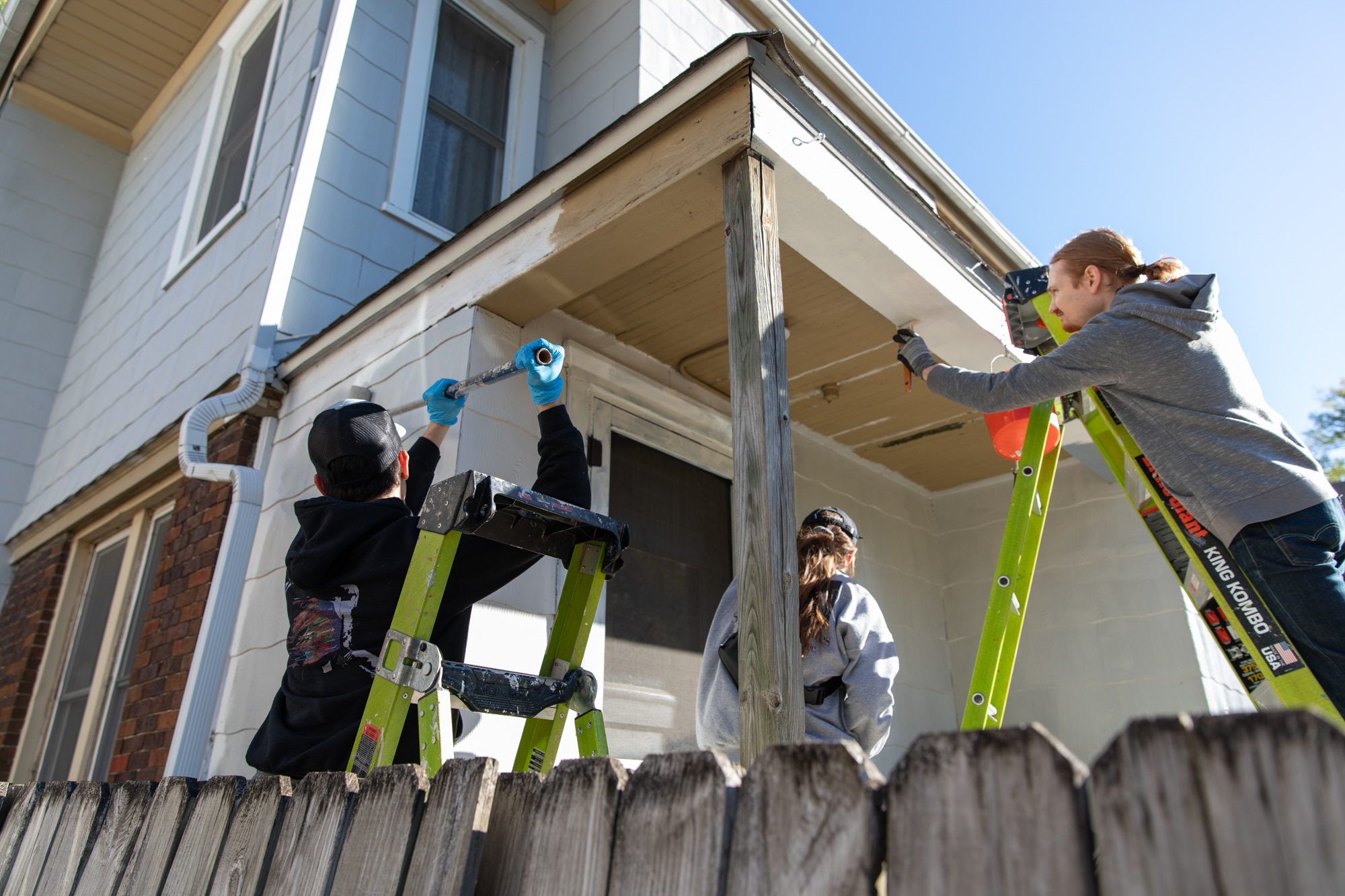
Volunteer labor
Minor repair services
Accessibility projects
Home maintenance assistance
Local resources can complement larger grant and loan programs.
Exploring multiple assistance options may improve the likelihood of receiving support.
Planning for Future Home Maintenance
Preventive maintenance can help reduce future repair costs.
Homeowners should consider:
Regular roof inspections
HVAC maintenance
Plumbing checks
Gutter cleaning
Weatherproofing improvements
Proactive maintenance often prevents small problems from becoming expensive repairs.
Final Thoughts
Maintaining a safe and comfortable home is an important part of healthy aging. Whether searching for Senior Home Repair Assistance, Grants For Elderly Home Repairs, Home Improvement Grants For Seniors, Financial Aid For Senior Home Repairs, Government Grants For Seniors Home Maintenance, or Low-income Senior Home Repair Programs, numerous resources may be available to help.
These programs support critical repairs, accessibility modifications, energy efficiency improvements, and emergency maintenance needs. By exploring available assistance options and applying for eligible programs, seniors can improve home safety, preserve independence, and continue living comfortably in their homes for years to come.