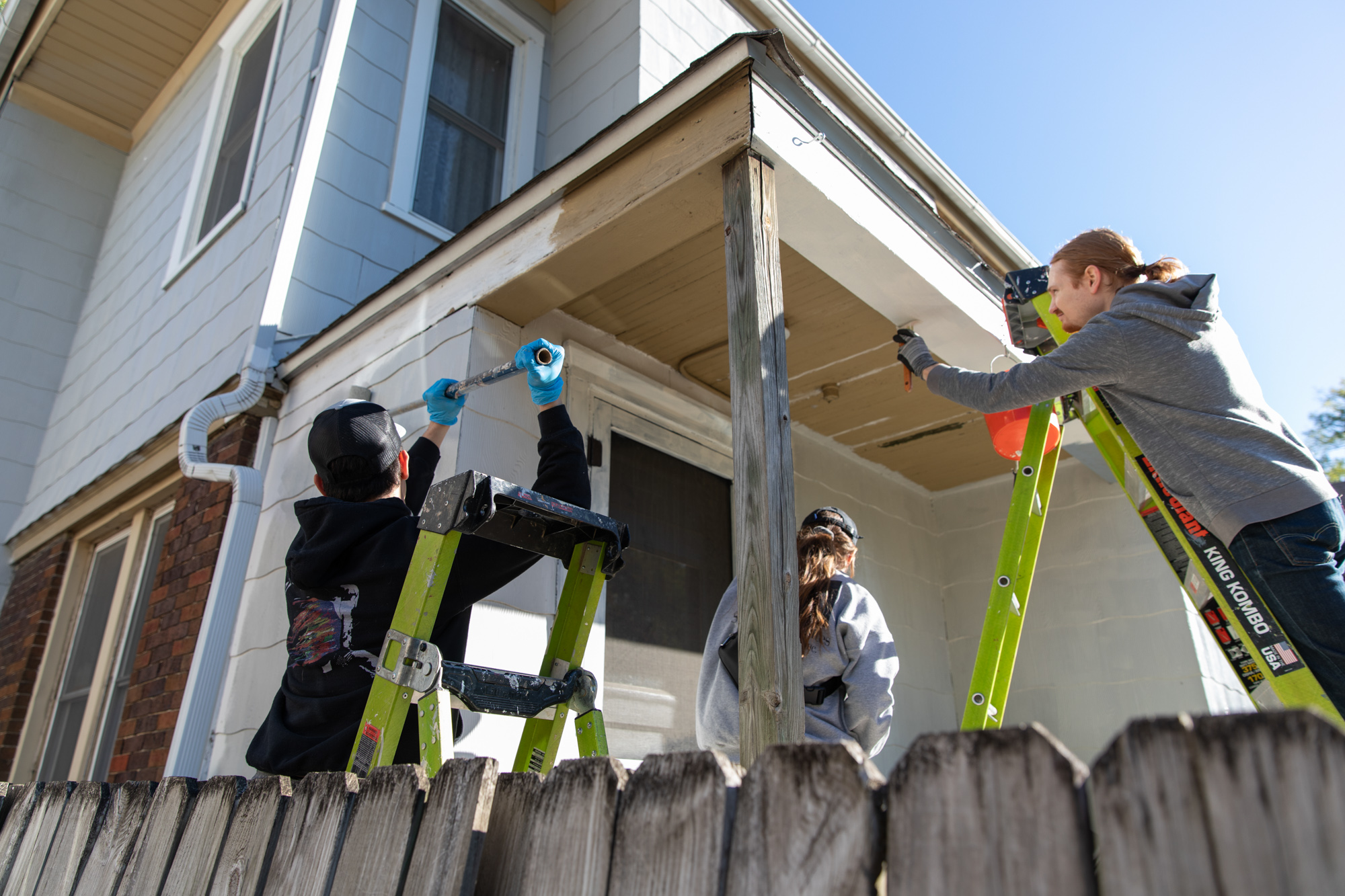
Helping Older Homeowners Maintain Safe and Comfortable Living Conditions
For millions of older Americans, homeownership represents stability, independence, and security. However, maintaining a home becomes increasingly challenging as repair costs rise and retirement incomes remain fixed.
From roof leaks and aging electrical systems to accessibility modifications and heating repairs, necessary home improvements can place significant financial pressure on senior households. Fortunately, a variety of programs offering Senior Home Repair Assistance, Financial Aid For Senior Home Repairs, and other forms of housing support may help eligible homeowners address essential maintenance needs.
Understanding available resources can help seniors make informed decisions while preserving safe and comfortable living environments.
Why Home Repair Assistance Is Important for Seniors
Many homes require ongoing maintenance as they age.
Common issues include:
Roofing deterioration
Plumbing failures
Electrical system upgrades
HVAC replacement
Foundation repairs
Accessibility modifications
Energy efficiency improvements
For seniors living on retirement income, these repairs may be difficult to afford without assistance.
Programs focused on Home Improvement Grants For Seniors and Low-income Senior Home Repair Programs are designed to help reduce these financial barriers.
Common Home Repair Challenges Faced by Older Adults
Safety Concerns
Aging homes may present hazards such as:
Uneven flooring
Damaged stairs
Faulty wiring
Poor lighting
Water damage
Addressing these problems can help reduce the risk of injuries and accidents.
Accessibility Needs
Many seniors choose to age in place and may require modifications such as:
Walk-in showers
Grab bars
Wheelchair ramps
Stair lifts
Wider doorways
Accessibility improvements can significantly improve daily living and independence.
Energy Costs
Older homes often lack modern energy-efficient features.
Upgrades such as insulation improvements, window replacement, and HVAC modernization may help lower utility bills while improving comfort.
Understanding Senior Home Repair Assistance Programs
Home repair assistance programs generally aim to help homeowners maintain safe and functional residences.
Support may come in several forms:
Assistance Type | Description |
|---|---|
Grants | Funds that generally do not require repayment |
Forgivable Loans | Loans that may be forgiven under certain conditions |
Low-Interest Financing | Reduced-cost borrowing options |
Rebate Programs | Partial reimbursement for approved improvements |
Local Assistance Programs | Community-based housing support |
Program availability varies by state, county, and municipality.
Grants For Elderly Home Repairs
Many homeowners search for Grants For Elderly Home Repairs to help offset the cost of critical maintenance projects.
While eligibility requirements vary, assistance programs often focus on:
Health and Safety Repairs
Examples include:
Electrical repairs
Structural improvements
Plumbing corrections
Hazard removal
Accessibility Improvements
Funding may support:
Wheelchair accessibility
Bathroom modifications
Safety rail installations
Mobility-related upgrades
Emergency Repairs
Some programs prioritize urgent repairs that affect:
Heating systems
Roof integrity
Water systems
Household safety
Emergency repair programs may offer faster review processes in certain situations.
Home Improvement Grants For Seniors
Many assistance initiatives focus on home improvements that help seniors remain independent.
Projects may include:
Bathroom Upgrades
Common improvements include:
Walk-in tubs
Walk-in showers
Slip-resistant flooring
Grab bar installation
Entryway Accessibility
Programs may assist with:
Ramps
Handrails
Doorway modifications
Mobility Enhancements
Some projects support:
Stair lifts
Platform lifts
Accessible pathways
These improvements can help reduce fall risks while improving quality of life.
Government Grants For Seniors Home Maintenance
Federal, state, and local agencies administer various programs that support housing stability and safety.
Although funding opportunities differ by location, programs often prioritize:
Low-income households
Older homeowners
Individuals with disabilities
Rural residents
Veterans
Areas frequently covered include:
Essential repairs
Accessibility upgrades
Health and safety improvements
Energy-efficiency projects
Applicants should always review official program guidelines before applying.
Low-Income Senior Home Repair Programs
Many assistance programs specifically target lower-income homeowners.
Why Income Matters
Limited retirement income can make major repairs difficult to manage.
Programs designed for low-income households often provide:
Higher levels of assistance
Reduced financial requirements
Priority consideration
Common Eligibility Factors
Programs may evaluate:
Household income
Property ownership
Age requirements
Residency status
Nature of the repair project
Eligibility standards vary depending on the funding source.
Financial Aid For Senior Home Repairs
Beyond grants, additional forms of support may be available.
Deferred-Payment Loans
Some programs offer financing that does not require immediate repayment.
Home Rehabilitation Assistance
Certain programs support comprehensive home modernization projects rather than individual repairs.
Community-Based Assistance
Local organizations may provide:
Volunteer labor
Minor repair services
Accessibility improvements
Home maintenance support
These programs can complement larger funding initiatives.
Assistance Options for Veterans
Older veterans may qualify for specialized housing assistance programs.
Potential support may include:
Accessibility modifications
Adaptive equipment installation
Mobility improvements
Home safety upgrades
Veterans should review available housing resources to determine eligibility.
How to Apply for Home Repair Assistance
Step 1: Assess Repair Needs
Identify projects that affect:
Safety
Accessibility
Structural integrity
Energy efficiency
Creating a clear list of priorities can simplify the application process.
Step 2: Research Available Programs
Potential resources may include:
Federal agencies
State housing departments
Local government offices
Community organizations
Nonprofit housing groups
Because program availability differs by location, researching multiple options is often beneficial.
Step 3: Gather Documentation
Applicants commonly need:
Government-issued identification
Proof of homeownership
Income verification
Property tax records
Contractor estimates
Organized documentation can help prevent delays.
Step 4: Obtain Repair Estimates
Many programs require written estimates from licensed contractors.
Detailed proposals typically include:
Labor costs
Material expenses
Project timelines
Scope of work
Step 5: Submit Applications
Review all requirements carefully and submit applications before deadlines.
Funding programs may operate with limited budgets and periodic enrollment periods.
Common Mistakes to Avoid
Beginning Work Before Approval
Some programs require approval before repairs start.
Missing Required Documents
Incomplete applications may delay review or affect eligibility.
Ignoring Local Programs
Community-based assistance programs are often overlooked.
Waiting Too Long
Addressing problems early can help prevent larger and more expensive repairs later.
Benefits of Home Repair Assistance
Successful applicants may experience several benefits:
Improved Safety
Repairs help reduce hazards and improve living conditions.
Greater Independence
Accessibility improvements can support aging in place.
Financial Relief
Funding assistance may reduce out-of-pocket expenses.
Increased Property Value
Well-maintained homes often retain value more effectively.
Better Energy Efficiency
Modern upgrades may reduce monthly utility costs.
Frequently Asked Questions
Are home repair grants available nationwide?
Availability depends on location, funding sources, and program guidelines.
Do grants require repayment?
Many grants generally do not require repayment when recipients meet program requirements.
Can accessibility modifications qualify?
Yes. Many programs prioritize projects that improve accessibility and mobility.
Are emergency repairs eligible?
Some programs specifically support urgent health and safety repairs.
Can seniors apply for more than one program?
Eligibility varies, but some homeowners may qualify for multiple assistance resources.
Planning for Long-Term Home Maintenance
Homeownership remains one of the most important assets for many older Americans.
Creating a long-term maintenance strategy may include:
Regular inspections
Preventive maintenance
Accessibility planning
Energy-efficiency upgrades
Exploring assistance opportunities before emergencies arise
Proactive planning can help reduce future expenses and improve long-term housing stability.
Final Thoughts
Maintaining a safe, comfortable, and livable home is an important part of healthy aging. Fortunately, a variety of Senior Home Repair Assistance, Home Improvement Grants For Seniors, Financial Aid For Senior Home Repairs, Government Grants For Seniors Home Maintenance, and Low-income Senior Home Repair Programs may help eligible homeowners address critical repairs and accessibility needs.
By researching available resources, preparing documentation carefully, and applying early, seniors can improve their chances of accessing valuable assistance that supports independence, safety, and long-term housing stability.
Disclaimer
This content is provided for informational purposes only and does not constitute legal, financial, housing, or government assistance advice. Program availability, eligibility requirements, funding amounts, and application procedures may vary by location and provider. Individuals should verify all information directly with official program administrators before making decisions.